
Turkey Dried Fruit Production
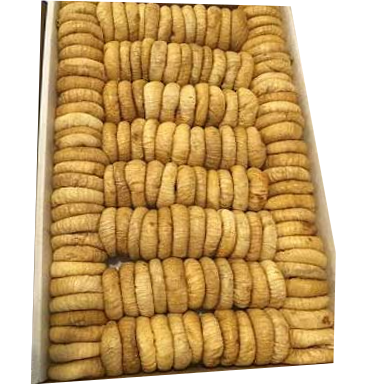
Dried Fig
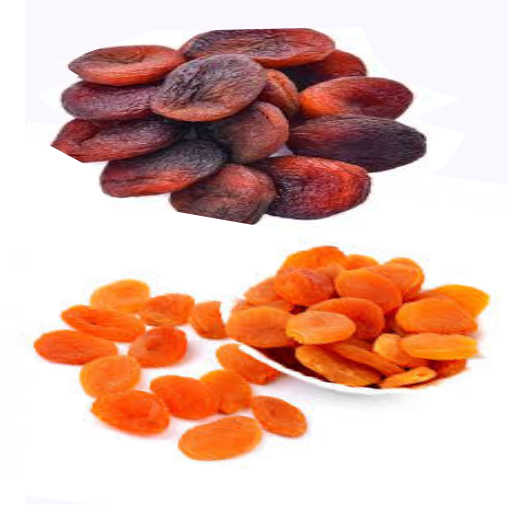
Dried Apricot
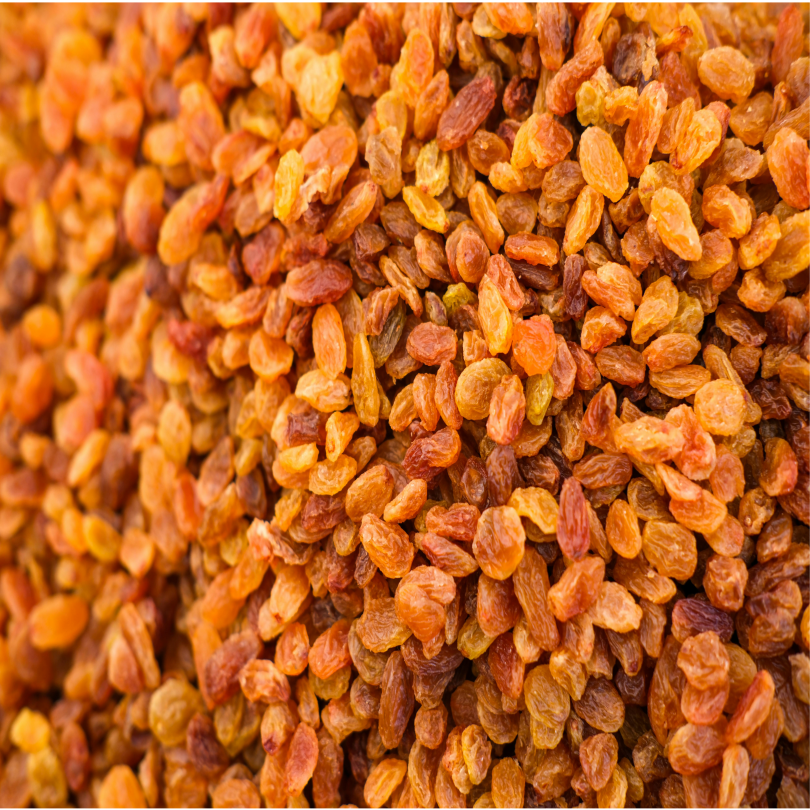
Sultana Raisin
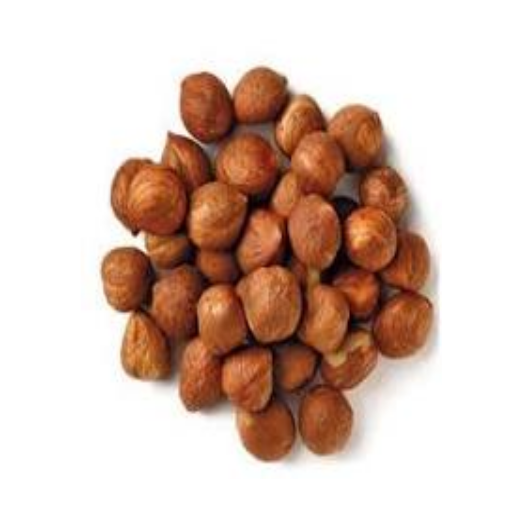
Hazelnut
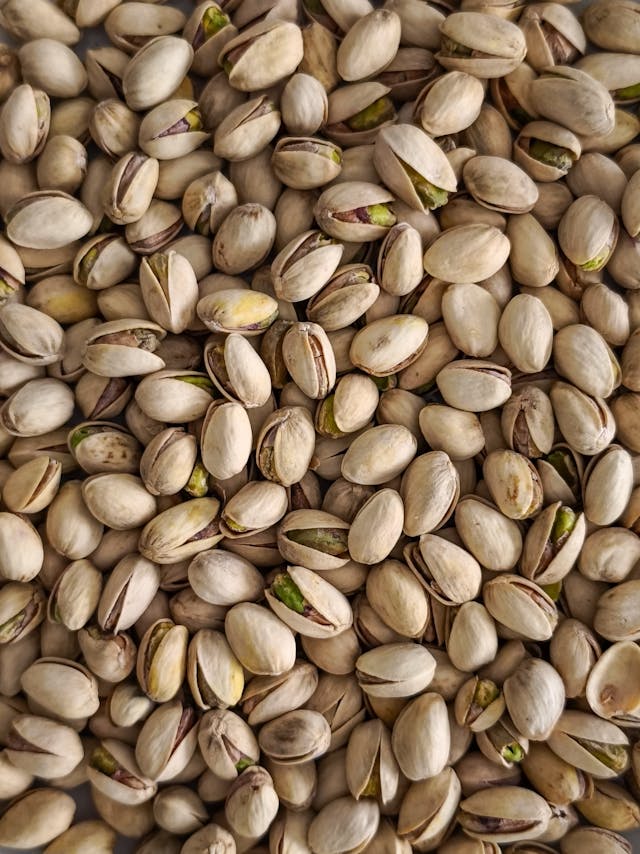
Pistachio
Türkiye is one of the world’s leading agricultural producers, and its unique advantage in agricultural production allows it to produce a wide variety of agricultural products. Almost every type of agricultural product can be produced on a large scale in Türkiye.
Dried Fruit
Dried fruits are one of Turkey’s major agricultural sectors, and Turkey is the most important country in the world with respect to both the production and export of dried fruits. Turkish dried fruit production and exports are extremely high and dominate world markets. Among the dried fruits produced in Turkey, raisins (sultanas), dried apricots, and dried figs have the lion’s share. Because of their major importance for agricultural exports, they are regarded as traditional Turkish agricultural export items. Turkey also produces and exports other kinds of dried fruits such as prunes, currants, dried apples, dried pears, dried mulberries, dried peaches, etc.
Dried Fruit, Nutrition, and Health
Grapes, figs, and apricots are miracles from the standpoint of their composition and have been accepted as sacred fruits throughout history. Dried fruits are called nature’s candy, and they are one of the most nutritious foods in the world. They are cholesterol-free, rich in vitamins and minerals, and totally fat-free.
Dried fruits are a good source of fiber and rich in antioxidants. Dried fruits are invaluable
for human health and provide consumers with many advantages with respect to nourishment. Dried fruits, with many of the major vitamins and minerals in their composition, are found to be useful in many functions of the human body.
Consumption Forms of Dried Fruits
Dried fruits are widely used in the food sector, as well as being consumed as a snack.
Some consumption forms of dried fruits are as follows:
Raisins (Sultanas)
Raisins are an indispensable ingredient in breads, cakes, cookies, pies, tarts, and different
pastries in the bakery sector. They are an excellent addition to a wide range of candies,
puddings, and other wonderful confectionery.
Dried Apricots
Dried apricots are mostly consumed directly as a snack after being graded and may be
mixed with other fruits. It is also used in bakery products, in the production of chocolate
and candies, and as an ingredient in the preparation of some special sweets, like paste.
Dried Figs
Dried figs are consumed in international cuisines in many different forms, including in pies,
puddings, cakes, bread, or other bakery products after being stewed or cooked; In jams,
marmalades or in many sugar and confectionery products as a delicious ingredient.
Hazelnut
Turkish hazelnuts generally ripen between the beginning and the end of August, depending on the latitude of the field. Timely harvest is done by picking up the hazelnuts with leaves that fall to the ground when the branches are shaken off. Another method of harvesting is the one where the hazelnuts are picked one by one from the branches. After being collected from the fields, hazelnuts are blended on the same day or a few days later, depending on the field status, and laid to make a bed of 10-15 cm thickness to be pre-dried under the sun until their leaves turn brown. After drying, hazelnuts are separated from their leaves using a harvesting machine (thresher) and laid over canopies in thin layers to be dried under the sun. Total period of drying, including the pre-drying, can be a maximum of 15-20 days depending on the weather conditions. Drying naturally and under the sun is an important factor that gives the Turkish hazelnut its special taste.
APPLICATIONS
Besides being consumed as a snack both in Turkey and worldwide, about 90% of hazelnuts are used in roasted, whitened, minced, sliced, powdered, and pureed forms as a side ingredient in the chocolate, biscuit, and confectionery industries, in making sweets, pastries, and ice cream, and in meals and salads.
With a history of about 5,000 years, the hazelnut offers great benefits to humankind in many ways, including its fruit and wood. Hazelnut shells are used as a very valuable and high-calorie fuel, particularly in hazelnut-growing areas in our country.